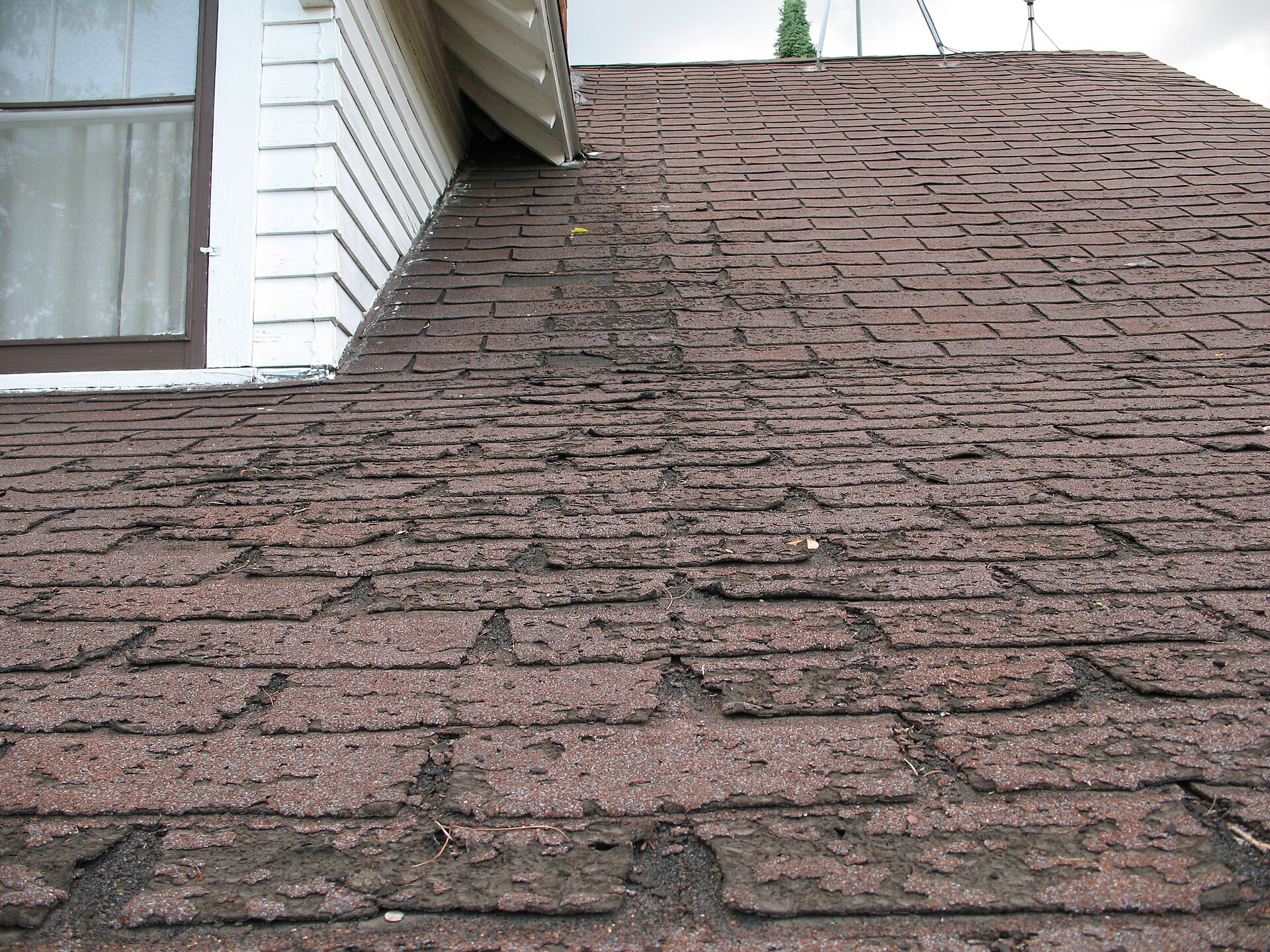
Roof leak repair in Fort Wayne
A stain on the ceiling after last night's rain, shingles in the yard after a windstorm, or a roof that's simply reached the end of its run - when the roof can't wait, one call connects Fort Wayne homeowners with an independent roofing contractor who works in the Fort Wayne area.
Consultations available 24/7
Roof leak repair services in Fort Wayne
RidgeHero focuses on roof leaks - from tracing the source to repairing the damage a storm leaves behind.
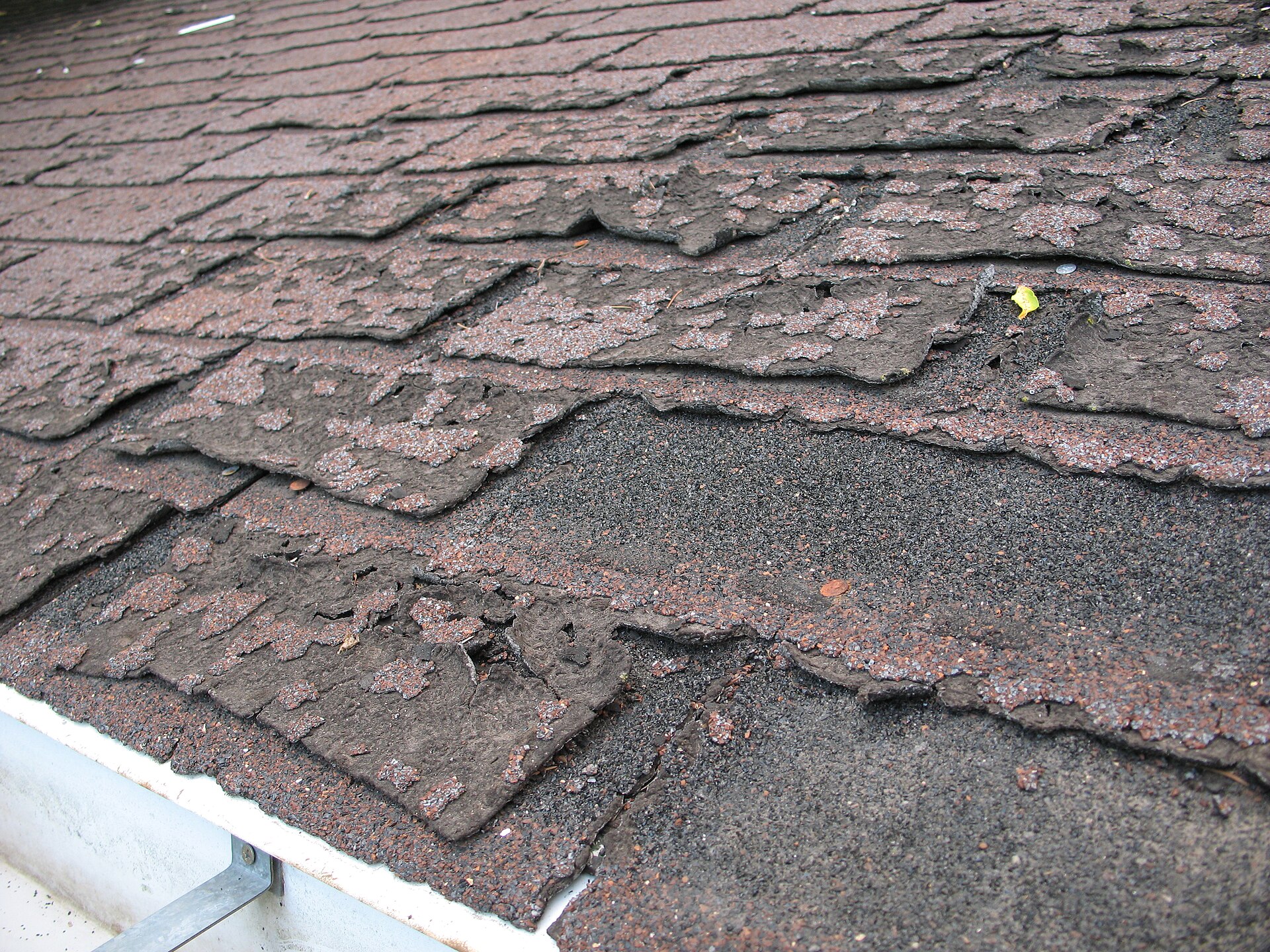
Roof leak repair
Drips, ceiling stains and active leaks. A contractor tracks the water back to its source and fixes the actual entry point.
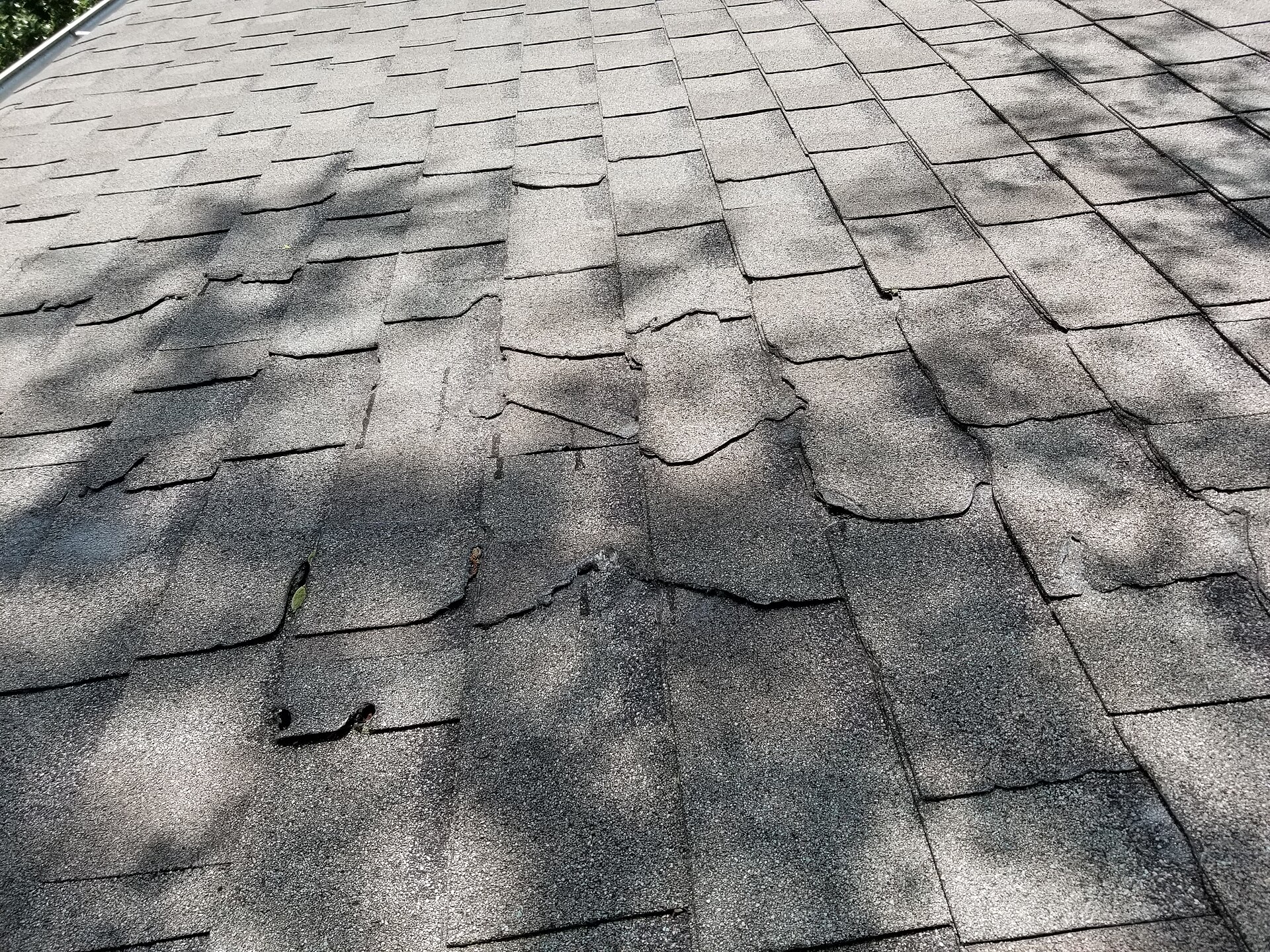
Storm & hail damage
Hail bruises and wind-lifted shingles are not always visible from the ground. Get connected with a contractor who can inspect after a storm.
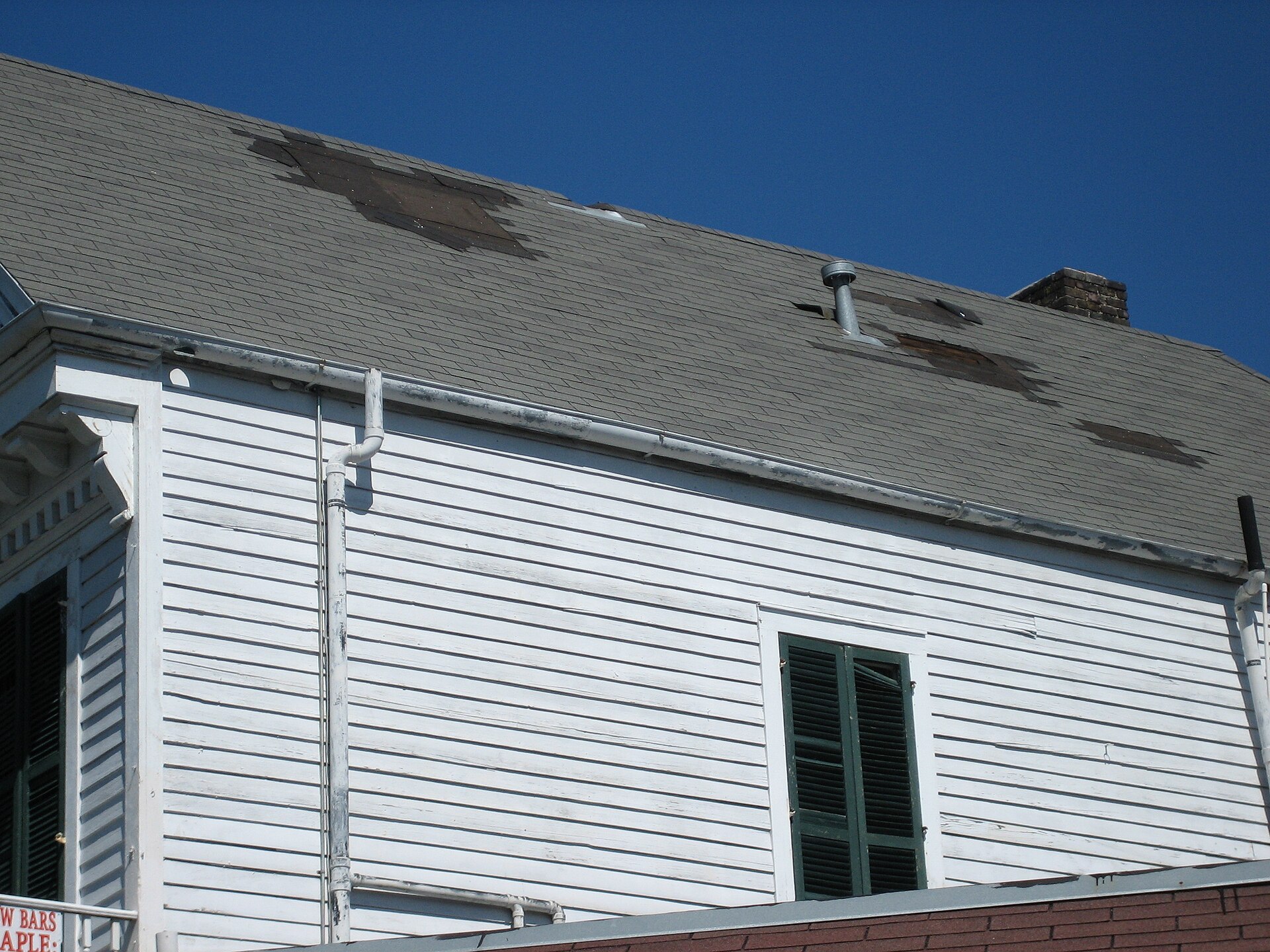
Wind-lifted shingles
Wind can crease, lift or strip shingles and open a path for water. A contractor can assess the damage and reseal or replace what is needed.
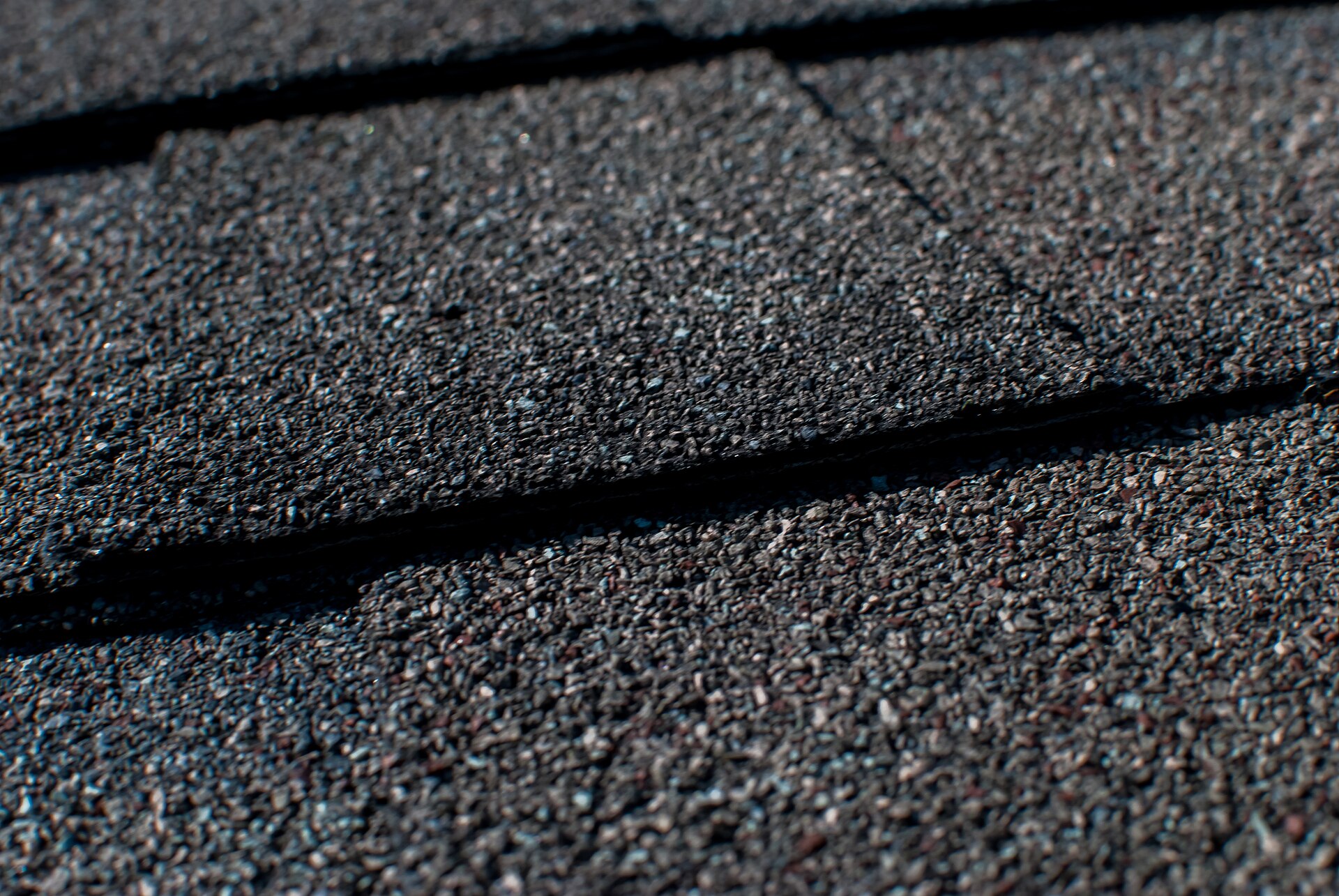
Leak detection & diagnosis
A stain with no obvious hole? Leaks often start at flashing, valleys and vent boots. A contractor can trace the source before any repair.
Emergency roof repair
An active leak can't wait for a quote-form queue. Calls are answered 24/7: describe the emergency and get connected with a contractor who handles urgent leak work.
Roofs in Fort Wayne: local weather and housing context
Local weather and housing background for Fort Wayne - useful context before you talk with a contractor.
Housing stock
Half the homes in Fort Wayne were built in 1972 or earlier, and about 68.2% are single-family houses. On any house, leaks can occur where the roof surface is interrupted - flashing, valleys and vent pipes - rather than in the open shingle field.
Weather load
The Fort Wayne area receives about 39 inches of precipitation a year. Annual snowfall averages about 34 inches. That's a lot of water testing every seam, valley and flashing line on a roof.
Storm history
The National Weather Service has logged 608 severe weather events in Allen County since 1996 - most often thunderstorm wind (338 events) and hail (207). After wind or hail, shingle damage often isn't visible from the ground.
What that means for a roof here: Fort Wayne averages about 34 inches of snow a year. In snowy climates generally, freeze-thaw cycles can stress flashing, seals and eaves over time - whether that has happened on your roof is a question for inspection.
One useful thing to know before you call: the age of the house matters less than the age of the roof covering on it. If you don't know when your current roof went on, a contractor can usually estimate it on inspection - and it's one of the first questions to ask.
After the kind of weather Allen County actually logs - thunderstorm wind and hail lead the NWS record since 1996 - there is useful checking you can do without a ladder: look at metal vents, gutters and car roofs for dents, and note any piles of shingle granules at downspout outlets; and walk the yard for shingle fragments or lifted ridge caps, and look for shingles that appear lifted or out of line from the ground. Anything you find is worth describing on the call (review our guide on ground-level hail and wind damage indicators for additional ground-level signs).
With about 34 inches of snow in an average year, Fort Wayne winters add one more pattern worth knowing: ice dams. When snow on the roof melts and refreezes at the colder eaves, water can back up under the shingles and show up as stains along exterior walls. If you see that in late winter, mention it on the call - it points a contractor toward ventilation and insulation as well as the roof surface.
Diagnosing a roof leak: common entry points and warning signs in Fort Wayne
Water rarely enters a home directly above the ceiling stain. Understanding how water migrates across roof penetrations helps you describe the issue accurately on your call.
Where roof leaks commonly start
Most residential roof leaks occur where the shingle surface is penetrated or interrupted, rather than in the open field of shingles. Inspecting these five transition zones is typically the first step a roofing specialist takes.
Diagram: Five primary roof failure points — 1. Vent pipe boot gasket deterioration, 2. Wall and step flashing gaps, 3. Valley seam water concentration, 4. Ridge cap wind uplift, 5. Eave and drip edge water backup.
Immediate leak triage: what to do right now
If water is actively entering your home, follow these four immediate containment steps while arranging a consultation:
1. Stay clear of sagging drywall
Never puncture or stand beneath a water-bulging ceiling. Saturated drywall is heavy and can give way without warning.
2. Contain water and isolate electricity
Place buckets or bins beneath the drip. If water is near light fixtures or outlets, turn off power to that circuit from a dry breaker panel.
3. Photograph damage for insurance
Take clear photos and videos of the leak source, ceiling stains, and damaged items before moving them.
4. Call for an independent consultation
Consultations are available 24/7. Never climb onto a wet or steep roof yourself — let an independent, licensed local contractor inspect and repair the damage safely.
Roof leak symptom-to-likely-cause matrix
| Visible Symptom Inside or Outside | Probable Water Entry Location | Urgency & Property Risk | What the Contractor Inspects |
|---|---|---|---|
| Damp spot or brown ring on ceiling after rain | Roof valley or deteriorated vent pipe boot gasket | Moderate; water travels along rafters before soaking drywall | Attic underside, valley flashing, and rubber pipe collars |
| Active drip during heavy or wind-driven rain | Wind-lifted shingles, compromised ridge cap, or wall flashing | High; continuous moisture causes rapid ceiling and insulation rot | Wind-creased shingle tabs, step flashing along siding/chimneys |
| Excessive granules accumulating at downspouts | Hail impact bruising shingle mat or advanced UV shingle aging | Long-term risk; exposed asphalt loses waterproofing and cracks | Granule adhesion, dented metal roof vents, soft metal gutters |
| Missing, creased, or lifted shingles in yard | High wind gusts breaking adhesive seal strips | Urgent; exposed underlayment and decking tear in subsequent storms | Adhesive sealant lines, nail blow-throughs, and decking integrity |
Note: This diagnostic matrix is for educational reference. Water often travels horizontally along roof trusses before penetrating ceilings. An independent local roofing contractor should perform all physical inspections.
How RidgeHero works
Three steps, starting with your call.
Call and describe your roof
Tell us what's going on - a leak, storm damage, missing shingles - and where the property is.
We connect you
RidgeHero connects your call with an independent roofing contractor who serves your area and handles that kind of work.
You decide
Talk with the contractor directly, ask about license and insurance, get their quote, and hire only if it feels right. (See our guide on steps to verify a roofer's credentials before work begins before signing any agreement.)
Also in Indiana
Questions homeowners ask in Fort Wayne
How much does roof repair cost in Fort Wayne?
Will the contractor cover my address?
What should I do about an active leak right now?
When do roof leaks usually show up in Fort Wayne?
Do you handle emergency roof repair in Fort Wayne?
Roof problem in Fort Wayne?
One call connects you with an independent roofing contractor working in your area.
Call (855) 513-0946Consultations available 24/7